Food is visual. Good photos help, but not every menu, recipe card or label needs a photo. Often, a few well-chosen food icons for menus and recipes make everything clearer, friendlier and more consistent, whether you run a café, write a food blog or just want an organized pantry.
In this post you’ll find practical ideas and design tips for using kitchen and food graphics, with examples from Kitchen Essentials Outline, Italian Cooking Ingredients, Food Simple Outline and Kitchen Vector Tools.
Why use icons instead of photos?
- They’re consistent. Every icon has the same style, so your menu or blog looks designed.
- They’re quick to read. A chili icon says “spicy” faster than a sentence.
- They print cheaply. Line icons use very little ink.
- They never look outdated. Food photos go out of style; simple icons don’t.





1. Restaurant and café menus
Menus are the most common use for food icons, and the most important to get right.
Ideas
- Section headers: a coffee cup for drinks, a croissant for breakfast, a pasta bowl for mains.
- Dietary labels: a leaf for vegetarian, a wheat symbol for gluten-free, a chili for spicy.
- Chef’s specials: a small star or heart next to signature dishes. Heart Icons and Simple Stars Collection work great.
- Chalkboard menus: white line icons on a dark background look hand-drawn and cozy.
Tips
- Keep icons small, about the height of your menu text, so they support the words instead of competing.
- Use one style only: all outline or all filled.
- Always add a legend for dietary icons at the bottom of the menu.
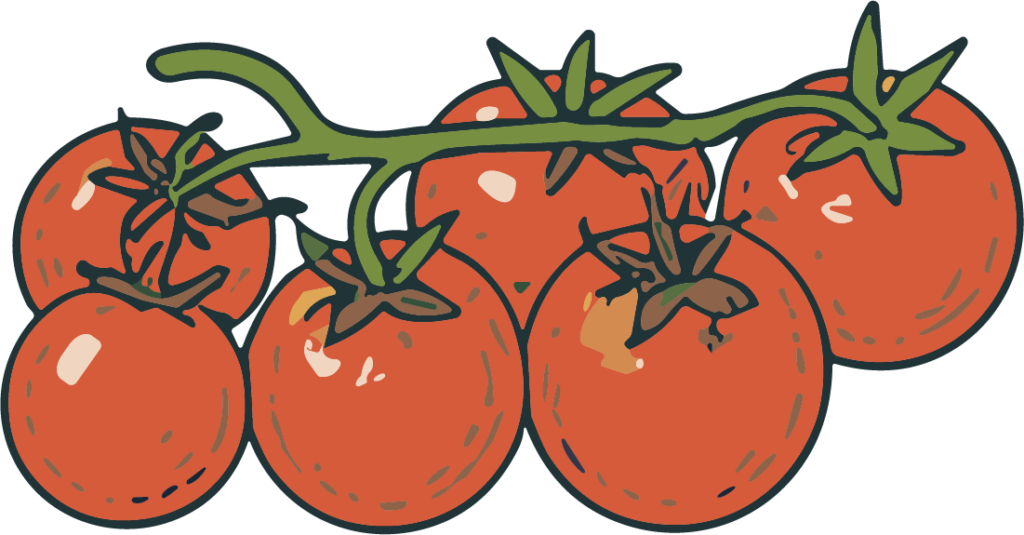
Running an Italian restaurant or pizzeria? Italian Food Svg and Italian Cooking Ingredients 02 are made for it. For bars, see our post on cocktail vector art for menus and labels. And Mexican Svg Collection covers taquerias and Tex-Mex menus.



2. Recipe cards
Printed recipe cards make great gifts and keep family recipes safe.
Layout idea (4×6 inch or A6)
- Title at the top with one icon of the main ingredient
- Info row: icons for prep time (a clock), servings (a plate or people) and difficulty (a chef’s hat)
- Ingredients on the left, steps on the right
- A small decorative border of herbs or utensils
Gift idea
Collect 10–20 family recipes, print them on nice card stock and put them in a recipe box. It’s a perfect wedding or holiday gift.




3. Food blog graphics
If you run a food blog, icons help both readers and search engines.
- Recipe summary boxes: time, servings, calories and difficulty, each with an icon.
- Pinterest pins: a text overlay with a small ingredient icon stands out in a feed full of photos.
- Category buttons: “Pasta,” “Desserts,” “Vegan,” each with its own icon.
- Step-by-step graphics: “Chop → Sauté → Simmer” with tool icons from Kitchen Vector Tools.
- Printable shopping lists as a free download to grow your email list.
Tip: use transparent PNGs so icons sit cleanly on any background color. Here’s how to use transparent PNGs anywhere.




4. Pantry and kitchen labels
An organized pantry is easier to use and nice to look at.
- Jar labels: flour, sugar, rice, pasta, coffee, each with a matching icon. Icons help kids and guests find things without reading.
- Spice labels: tiny round labels with herb icons.
- Freezer labels: the dish name, date and a small icon so you can recognize containers at a glance.
Make them with printable sticker paper, or cut them from vinyl with a Cricut. Vinyl labels survive washing better.
5. Packaging for homemade food
Selling jam, cookies, sauces or bread at a market? Icons make homemade products look professional:
- Jar lids and labels with an ingredient icon
- Kraft paper bags with a stamped or printed logo
- “Made with love” stickers using a heart and whisk
Note that food labels often have legal requirements, like ingredients and allergens. Check the rules where you sell.
6. Cooking classes and kitchen décor
- Worksheets and handouts for cooking classes
- Framed kitchen prints with utensil line art
- Tea towels with a pattern of vegetables (use HTV or sublimation)
- Chalkboard wall art with a weekly meal plan
Design tips for food graphics
- Pick one icon style per project. Outline icons feel modern and light; filled icons feel bold and playful.
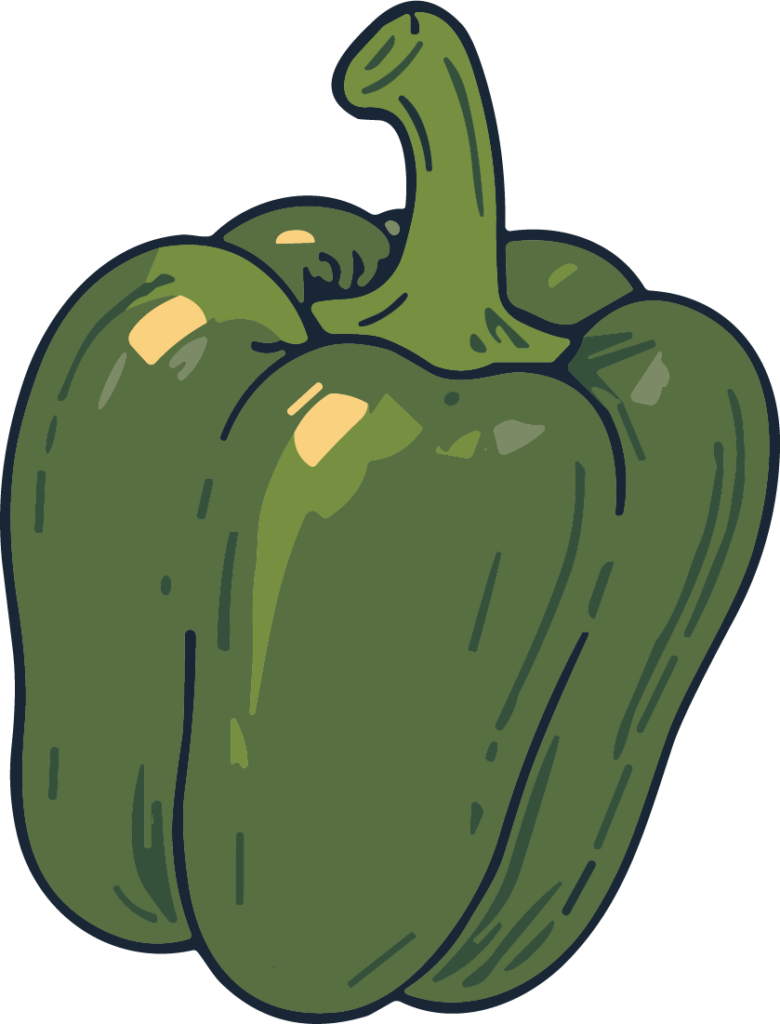
- Use warm colors like red, orange and yellow for appetite, and green for fresh or healthy food.
- Leave white space. A crowded menu is hard to read.
- Scale with SVG. A menu board or window sign needs the vector version to stay sharp.
- Keep line thickness consistent when mixing icons from different sets.
FAQ: food icons for menus
Can I use your icons on my restaurant’s menu? Yes. For business use without attribution, you need a Pro plan, which includes a commercial license.
What size should icons be on a menu? About the same height as the menu text, or up to double for section headers.
Can I change the icon colors to match my brand? Yes. Download the SVG and follow our guide on how to recolor an SVG in Canva, Inkscape or Illustrator.
Cook up something beautiful
Whether it’s a café menu or a grandma’s recipe box, the right icons make it easier to read and nicer to look at. Start with Kitchen Essentials Outline or Food Simple Outline.